


Buy your weekday smoothies and get your weekend ones for free. (7 for the price of 5!)
WELLNESSWEEK

Last Updated: November 17, 2026
Quick Summary
Australian natural skin care brands are shaped by native botanicals and a growing awareness of what natural actually means, from ingredient sourcing to how a label reads. Choosing well means knowing that natural, organic and clean beauty claims differ, and that organic certification applies to an ingredient, not the finished product.
Australian natural skin care brands are shaped by native botanicals and a growing awareness of what "natural" actually means. That combination shapes everything from ingredient sourcing to the way a label reads.
Hemp Skin's Daily Face Oil is built on Australian hemp seed oil, steeped with botanicals.
Three forces separate local makers from imported lines:
Natural means ingredients come from plants, minerals or other earth-derived sources. Organic means those ingredients were grown without synthetic pesticides and are typically verified through a certification body. Clean beauty is a marketing term with no legal definition at all.
That gap is where confusion lives. A brand can call itself "clean" without meeting any standard whatsoever, and "natural" carries no single regulator behind it either. The word describes an origin, not a guarantee of safety, purity or how much of the bottle is actually plant-derived.
Here is how the three claims actually differ:
| Claim | What It Means | Who Verifies It | What to Check on the Label |
|---|---|---|---|
| Natural | Plant, mineral or earth-derived ingredients | No single regulator | What percentage is natural, and what fills the rest |
| Certified organic | Grown without synthetic pesticides, audited | Certification bodies such as ACO | Whether the certificate covers the ingredient or the finished product |
| Clean beauty | Undefined marketing term | Nobody | Whether any certification is named at all |
The distinction that trips most shoppers is scope. Organic certification is granted to an ingredient or a production input, not automatically to the bottle you hold. A brand can infuse one certified organic oil and still build the rest of the formula from synthetics, then place a badge on the front that reads as though the whole product earned it. The badge is not lying, it is just narrower than it looks.
A practical way to read any label:
Watch out: a product can be genuinely natural and still irritate reactive skin, so origin and gentleness are separate questions.
A natural skincare routine is a short, gentle sequence that cleanses without stripping, hydrates without heaviness, and leaves the barrier stronger than it found it. Four steps are enough for most people: cleanse, tone, hydrate, seal.
The barrier is the thin outer layer that holds moisture in and irritants out. Every harsh cleanser, every over-exfoliation, every hot shower chips away at it. Rebuilding takes far longer than damaging it.
If you are starting from scratch, a simple sequence to follow is the skincare routine for sensitive skin we recommend, built around short steps and few products.
A simple order of operations:
Fewer steps, done with attention, beat ten steps done in a rush. That is not a slogan. It is how the barrier actually repairs itself.
Sensitive skin needs fewer ingredients, not more. The best natural skincare for sensitive skin avoids synthetic fragrance, drying alcohols and essential oil overload, and leans on soothing botanicals instead.
Reactive skin is not a skin type, it is a state. It can calm down. The trick is removing the triggers long enough for the barrier to recover.
Look for:
Avoid:
If your skin is rosacea-prone, the oils best suited to rosacea and reactive skin go deeper into which botanicals to reach for and which to leave on the shelf.
At Hemp Skin Australia, we believe beautiful skincare begins with thoughtfully sourced ingredients, and our Australian hemp seed oil is at the heart of our Daily Face Oil.
Australia is home to some of the world's most remarkable botanical ingredients, and choosing Australian-grown hemp seed oil allows us to celebrate local agriculture while creating skincare that nourishes and supports sensitive skin.
Naturally rich in essential fatty acids, including omega-3 and omega-6, hemp seed oil helps support the skin's natural moisture barrier, soften dryness and maintain a healthy, balanced complexion.
But quality skincare is about more than where an ingredient comes from. It's about understanding its purpose, how it's processed and how it works alongside the other botanicals in a formulation.
At Hemp Skin Australia, we take a slow, intentional approach to skincare. Our hemp seed oil is carefully infused with botanicals chosen for their skin-loving properties, creating formulations that prioritise nourishment, simplicity and mindful self-care.
When exploring Australian skincare brands, there are three questions worth asking:
For us, Australian skincare is about more than a label. It's about honouring the land, respecting the ingredients and creating meaningful rituals that help you reconnect with yourself.
Natural face oils are the step where skincare becomes ritual. A well-made oil seals in hydration, softens the skin and gives your hands something to do slowly, with intention.
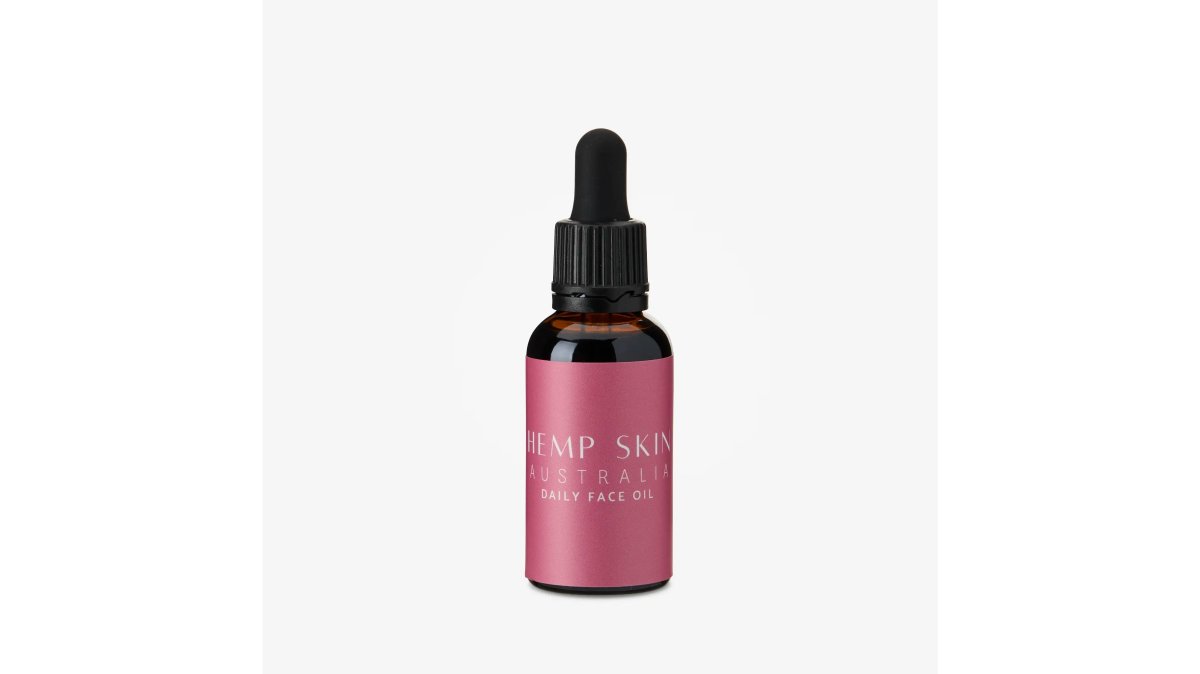
The mistake most people make is applying oil to dry skin. It sits on top and feels greasy. Press it into damp skin instead and it absorbs within a minute.
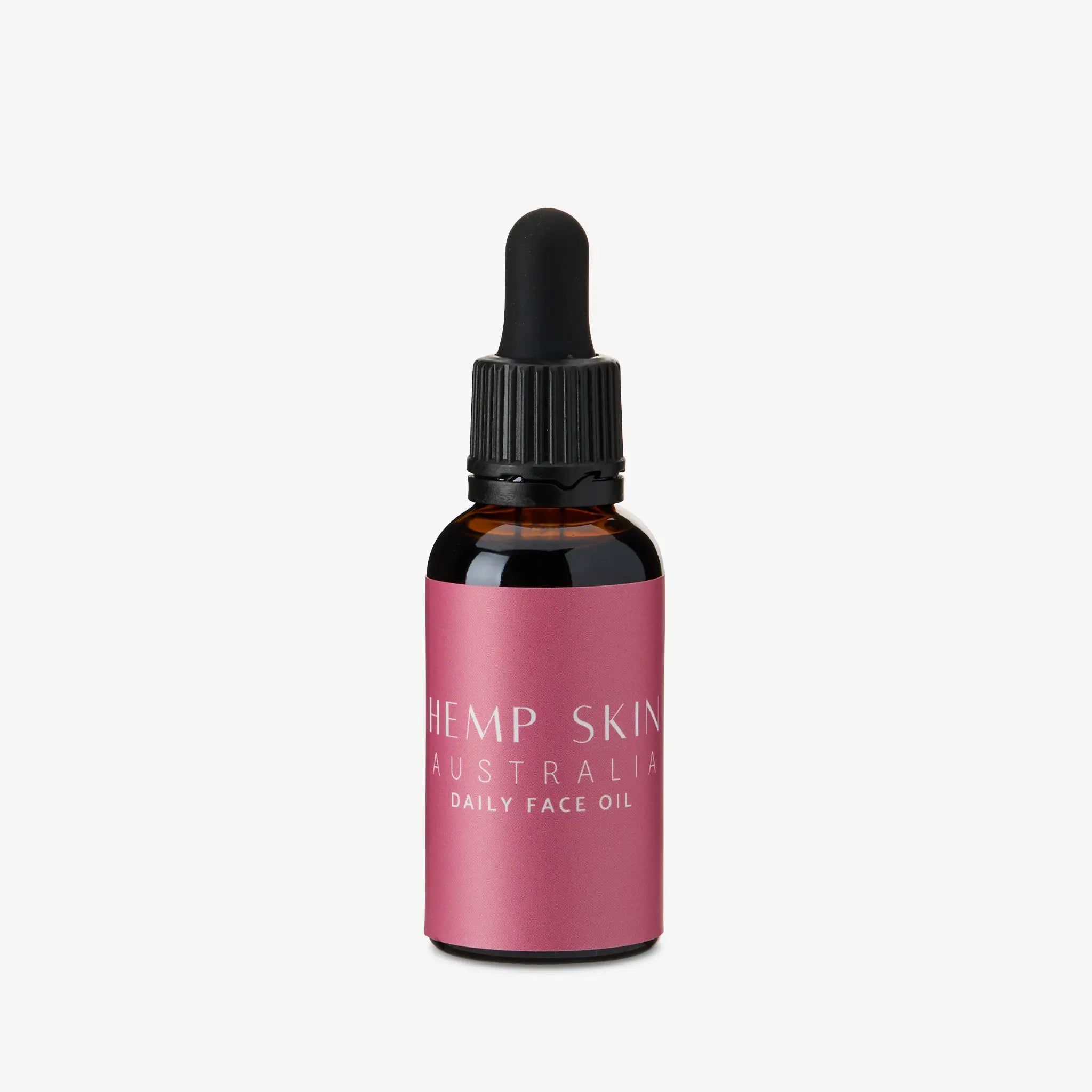
Our Daily Face Oil - Barrier Support is built on cold-infused Australian Certified Organic hemp seed oil, steeped with chamomile, calendula and lavender. Jojoba and olive squalane carry the hydration; rosehip extract supports renewal. Two to three drops, warmed between the palms, pressed in while the skin is still damp.
If you are unsure where it fits, our guide on how to use the Daily Face Oil walks through the full ritual step by step.
Choosing natural skin care is really a decision about how you want to spend ten minutes a day. Rushed and clinical, or slow and deliberate. We built our range for the second option.
The Daily Essentials Pack brings the Oil Cleanser, Rose Floral Water Toner and Daily Face Oil together for a complete three-step ritual. The Two Step Cleanse Kit is the gentlest entry point if you want to start with cleansing alone. For a fuller experience, the Indulgence Full-Body Self Care Kit carries the ritual from face to body.
If you would rather browse first, the Face Love Skincare Range shows the full collection in one place.
The hardest part is not finding a product. It is slowing down long enough to use it properly. We would start with the cleanser and the face oil, keep the routine to three steps, and give your skin a month of consistency before judging the results. Hemp Skin formulates with Australian Certified Organic hemp seed oil, cold-infused botanicals and a genuine respect for sensitive skin. Get started with Hemp Skin and build a ritual your skin and your nervous system will thank you for.
Natural means ingredients come from plants, minerals or other natural sources, though the term itself is not tightly regulated. Organic refers to how those ingredients were farmed, without synthetic pesticides or fertilisers, and is usually backed by certification. Look for a recognised certification mark on the label, and remember a product can be natural without being certified organic. Hemp Skin, for example, uses Australian Certified Organic hemp seed oil as the base of its face and body oils.
Many are formulated with sensitive skin in mind, but natural does not automatically mean gentle. Essential oils, botanical extracts and fragrances can still trigger reactions. Patch test any new product on your inner forearm for a few days before using it on your face. Look for short ingredient lists, alcohol-free formulas and soothing botanicals like calendula, chamomile and rose. Hemp Skin's Oil Cleanser and Daily Face Oil contain botanicals such as green tea, chamomile and calendula.
Check for specific, verifiable claims rather than vague green language. Look for certification marks, refill or plastic-free packaging, and clear information about where ingredients are sourced. A brand that names its suppliers and explains its production process is usually more trustworthy than one that simply uses the word natural. Hemp Skin's shampoo bar is plastic-free and zero-waste.
Start with lightweight, non-comedogenic oils that mimic your skin's own sebum, such as jojoba, squalane and hemp seed oil. Rosehip supports skin renewal, while vitamin E adds antioxidant protection. Avoid heavily fragranced blends if your skin is reactive. Hemp Skin's Daily Face Oil combines cold-infused Australian Certified Organic hemp seed oil with jojoba, olive squalane and rosehip CO2 extract, and is described as deeply hydrating without clogging pores.
Keep your steps simple, cleanse gently, hydrate daily and protect your barrier, and take photos in consistent lighting so you can track real change rather than relying on memory.
