


Buy your weekday smoothies and get your weekend ones for free. (7 for the price of 5!)
WELLNESSWEEK

Last Updated: September 28, 2026
Hemp oil for acne-prone skin works because it balances moisture without clogging pores. The key lies in its unique fatty acid profile, which mirrors your skin's natural oils. This similarity allows hemp oil to penetrate deeply whilst respecting your skin's barrier.
Acne develops when pores become blocked. Dead skin cells and sebum trap bacteria inside. Most heavy oils make this worse. Hemp oil does the opposite. It delivers hydration without creating a waxy film on the surface.
The oil also contains compounds that help calm inflammation. Inflamed, red skin is a hallmark of acne. When you use hemp oil for acne consistently, many people report reduced redness.
Hemp Skin offers a luxurious range of hemp-based skincare solutions for individuals seeking clear, healthy skin. Our unique formulations combine natural hemp with complementary ingredients designed to support clear healthy skin.
Non-comedogenic oils won't block your pores. This is the golden rule for acne-prone skin. But what does "non-comedogenic" actually mean?
A non-comedogenic oil has a molecular structure loose enough to absorb into skin without leaving a residue that traps bacteria. Hemp oil sits in this category. It absorbs relatively quickly and doesn't accumulate on the surface.
The comedogenic rating scale measures how likely an oil is to clog pores:
Hemp oil typically rates 0-1, making it suitable for acne-prone skin. Compare this to coconut oil, which rates 4-5 and is known for triggering breakouts in sensitive people.
When shopping for hemp oil for acne-prone skin, look for products that clearly state they're non-comedogenic. This signals the manufacturer has tested the formulation. Hemp Skin's range includes oils designed to deliver nourishment.
Before you begin using hemp oil for acne, gather these essentials:
The quality of your hemp oil matters significantly. Cold-pressed, organic hemp oil retains more beneficial compounds than refined versions. Look for dark glass bottles, these protect the oil from light damage.
Your cleanser choice is equally important. Oil cleansing works best with a gentle, water-soluble cleanser that won't strip your skin. Harsh cleansers can trigger your skin to produce more sebum, making acne worse.
Hemp Skin offers curated collections of face oils, body care, and hair care.
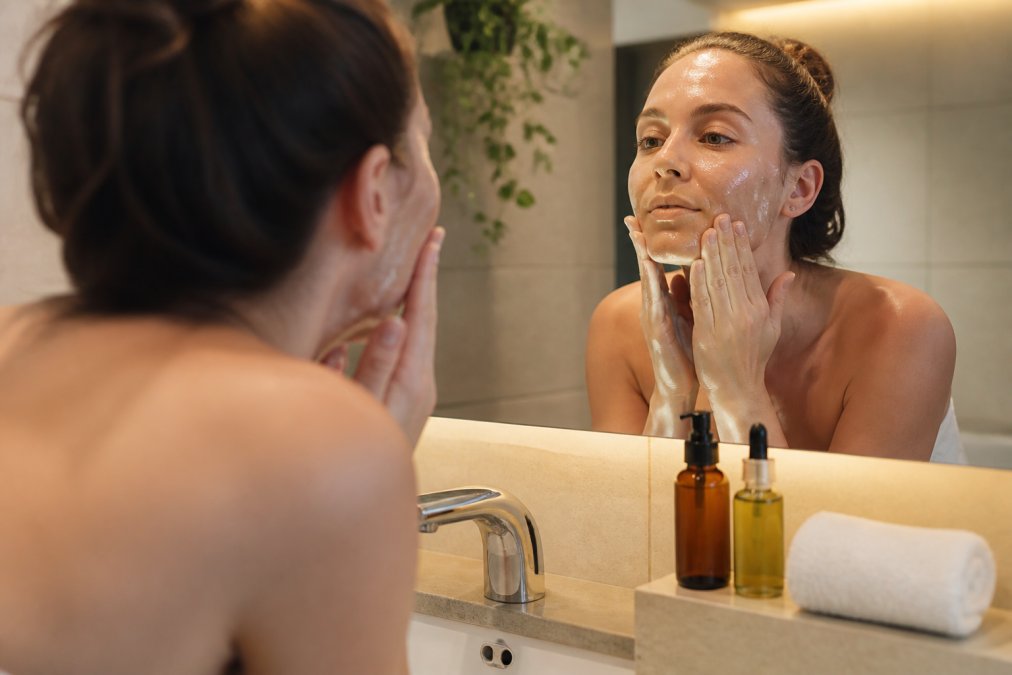
The oil cleansing method is straightforward. Follow these steps for best results.
Step 1: Dampen Your Face [Time: 1 minute] Splash your face with warm (not hot) water. Warmth opens your pores slightly, allowing the oil to penetrate. Pat your skin almost dry, leave it slightly damp.
Step 2: Apply Hemp Oil [Time: 2-3 minutes] Use 3-5 drops of hemp oil for acne-prone skin. Warm the oil between your palms by rubbing them together. Gently massage the oil across your face in upward motions for 2-3 minutes. Focus on areas where acne clusters. Don't rush this step, the massage itself improves circulation and helps the oil work deeper.
Step 3: Steam or Warm Compress [Time: 5 minutes] Optional but recommended: hold a warm, damp cloth over your face for 30-60 seconds. This helps the oil penetrate whilst loosening debris in your pores.
Step 4: Emulsify [Time: 1-2 minutes] Add a small amount of water to your face whilst the oil is still there. Gently massage again. The oil and water will emulsify (blend together), creating a milky texture. This step is crucial, it helps lift oil and impurities from your pores.
Step 5: Rinse Thoroughly [Time: 1-2 minutes] Rinse with warm water until all traces of oil are gone. Your skin should feel clean, not slick.
Step 6: Pat Dry and Moisturise [Time: 1 minute] Pat your face dry almost dry with a soft cloth. Apply a lightweight, oil or Moisturiser to your damp face.
Total Time: 10-15 minutes
Expected Result: Your skin should feel clean and hydrated, not tight or oily. Your skin should feel clean and hydrated, not tight or oily.
Using too much oil is the biggest mistake. More oil doesn't mean better results. It means greasy skin and potential breakouts.
Start with 3-5 drops. This sounds minimal, but hemp oil spreads easily across your face. You can always add more next time if needed. Most people find 3-5 drops is the sweet spot for the entire face.
Skipping the emulsification step ruins the method. If you apply oil and rinse without emulsifying, you're leaving residue behind. This defeats the purpose and can trigger breakouts. The water-and-oil blend is what lifts impurities from your pores.
Using hemp oil for acne-prone skin on completely dry skin reduces effectiveness. Your skin needs a bit of moisture for the oil to penetrate properly. Always dampen your face first.
Not giving it enough time is another common error.
Using low-quality oil wastes your time and money. Cheap hemp oil often contains fillers or has been refined so heavily that beneficial compounds are lost. Invest in cold-pressed, organic hemp oil from a trusted source.
Hemp seed oil has a low comedogenic rating, meaning it's unlikely to clog pores when used correctly. Its molecular structure allows it to absorb without leaving a heavy residue. However, individual skin responses vary. If you have extremely sensitive or reactive skin, start with a patch test on a small area first. Some people find hemp oil for acne-prone skin works best when combined with a proper cleansing routine rather than used alone.
Consistency matters more than speed. Skipping applications or changing routines frequently will delay visible benefits. Keep a simple log of your skin's condition to track subtle changes you might otherwise miss.
Yes, but start with small amounts and adjust based on how your skin responds. Oily skin can benefit from hemp oil's balancing properties, but overuse may feel heavy. Begin with 2-3 drops applied to damp skin, then gradually increase if needed. Many people with oily skin find that using hemp oil in the evening works better than morning application. If your skin feels greasy, reduce frequency to 3-4 times per week and let your skin adjust.
Hemp seed oil is cold-pressed from the seeds and contains no CBD, it's valued for its fatty acids and vitamins. CBD oil is extracted from the plant's leaves and flowers and contains cannabidiol, which some research suggests may reduce inflammation. Both can support acne-prone skin, but hemp seed oil is generally more affordable and widely available.