


Buy your weekday smoothies and get your weekend ones for free. (7 for the price of 5!)
WELLNESSWEEK

Last Updated: November 22, 2026
Quick Summary
Scalp oil is applied to the skin at the root and suits comfort and softness there, while hair oil is worked through the lengths and ends to soften older, drier strands. Choose scalp oil if the discomfort is at the skin, such as tightness or flaking, and hair oil if dryness or roughness sits along the strand.
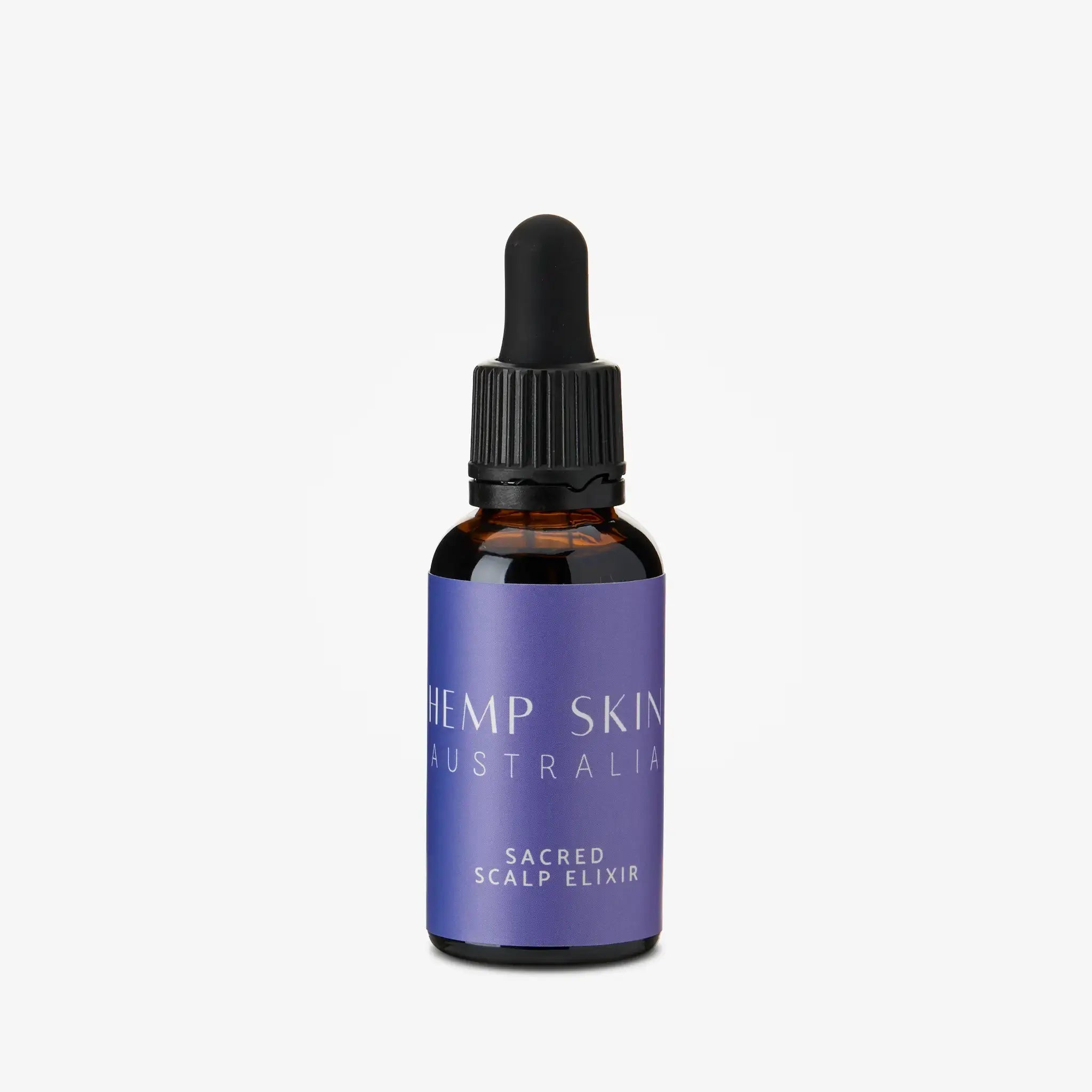
Scalp oil and hair oil are not the same thing, and treating them as interchangeable is where most routines go wrong. Scalp oil is applied to the skin at the root, where the work happens. Hair oil is worked through the lengths and ends, where the strand is older and often drier. Choosing the right one depends on which part of your hair is asking for help. At Hemp Skin, we think of the scalp as the soil and the hair as what grows from it, so the scalp deserves its own attention. You can explore our scalp and hair oil to see how it is described for a dry or flaky scalp.
The difference matters for oil choice too. Lighter botanical blends suit the scalp, while richer conditioning oils suit the ends. Knowing which you need saves you from greasy roots and dry ends at the same time.
Here is the comparison most guides skip. Read it as a map, not a rulebook.
| Scalp oil | Hair oil (lengths and ends) | |
|---|---|---|
| Target | Skin at the root and along the parting | The hair shaft, from mid-length to tip |
| Purpose | Comfort, softness and calm for the scalp; supports the environment hair grows from | Softness, slip, shine and reduced look of frizz on older strand |
| Texture | Light, fast-absorbing botanical blends | Richer, more conditioning oils and blends |
| Application | Two or three drops, massaged into the skin | A few drops warmed between palms, smoothed through lengths |
| Timing | Longer pre-wash ritual, at least 30 minutes or overnight | Short contact, often on damp hair before styling or washing |
| Expected result | A more comfortable, less tight or flaky scalp | Softer, easier-to-manage ends with less visible dryness |
| What it will not do | Regrow hair or treat a medical scalp condition | Repair split ends or permanently change the strand |
A common pattern is that people buy one rich oil and use it everywhere, then wonder why their roots feel heavy and their ends still look dry. The two jobs are different, and so are the products that do them best.
If you are unsure where to start, ask one question: is the discomfort at the skin, or along the strand? Tightness, flaking and itch point to the scalp. Dryness, roughness and split-looking tips point to the lengths. Many people need both, used in different amounts and at different stages of the wash cycle.
Watch out: a product labelled simply "hair oil" may be too heavy for the scalp, and a scalp-focused elixir may not give ends the slip they need. Read the intended use, not just the ingredient list.
Scalp oil is designed to sit on the skin, not just the hair shaft. Our Sacred Scalp Elixir is steeped with rosemary, hibiscus and marshmallow root, and it is meant for this job: softening the scalp and keeping it comfortable at the crown.
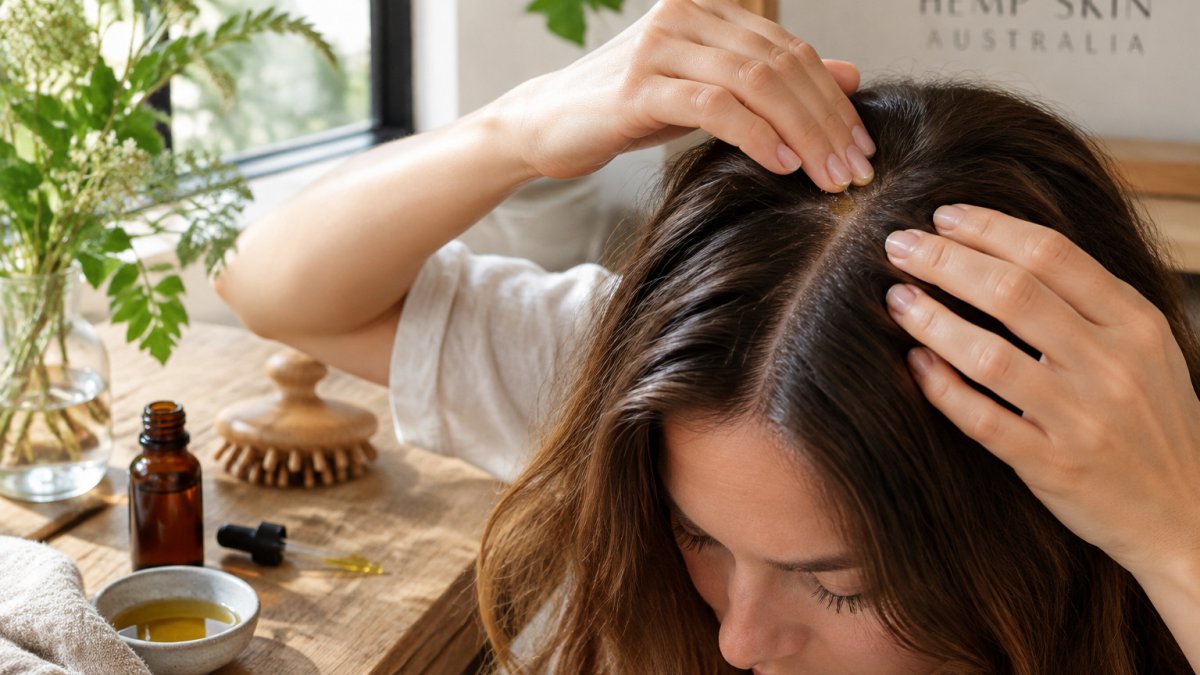
Apply it to the scalp in small amounts, then massage with your fingertips in slow circles. The massage is part of the benefit, so take your time with it.
Hair oil lives further down the strand. A conditioning oil worked through the lengths helps soften that section and reduce the look of frizz.
Use a little at a time. Warm a few drops between your palms and smooth them from mid-length to the tips. Your conditioner bar can follow the same path after washing, gliding over wet hair from mid-length down.
The most common complaint is greasy roots the next day. It usually comes from using too much oil, or leaving it on for too long before washing. Start with two or three drops, spread across the parting, and massage gently for a few minutes.
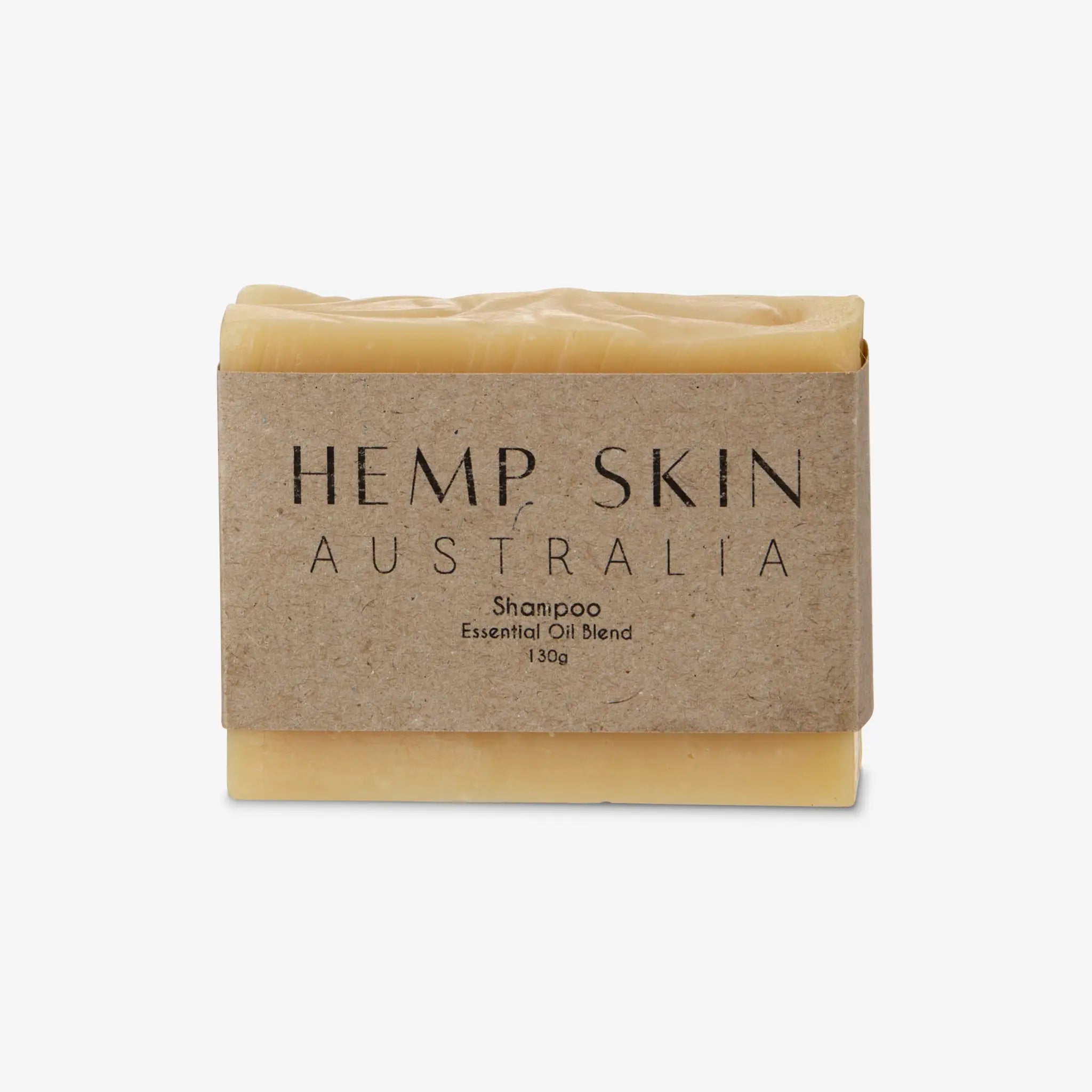
Wash with the Shampoo Bar to lift the excess away. Our step by step guide walks you through how to use the cleanser to remove excess oil. Rinse well before you assume the oil is still there. If your roots feel heavy, cut back on the amount next time rather than skipping the scalp altogether.
Hair oil works best on damp hair, once the strands have had a chance to drink up some water. Work a small amount through the lengths, concentrating on the ends where dryness shows most. Too much at the root will weigh the hair down, so keep the oil away from the scalp here.
Leave it for a short time, then wash or comb through. Many people find that a little goes a long way, and that less oil gives softer, easier-to-manage hair.
Timing depends on the product and your hair type. The Sacred Scalp Elixir is designed for a longer pre-wash ritual, left on for at least 30 minutes or overnight.
Stop leaving oil on for long periods if your scalp starts to itch, feel tight, or look inflamed, or if your hair feels coated rather than soft. These are signs you have used too much or left it on too long. Patch test any new product first, especially if it contains essential oils, and avoid applying oil to broken or irritated skin.
For a dry, flaky scalp, a scalp-focused oil is the better starting point. The Sacred Scalp Elixir is made for a dry, irritated or flaky scalp, with cold-processed Australian Certified Organic hemp seed oil as its base.
But "dry scalp" is not one thing, and the right oil depends on what your scalp is actually doing. Use this as a decision guide rather than a diagnosis.
On the growth question, be clear-eyed. No oil has been shown to regrow hair from a follicle that has stopped producing it. What oils can do is support a comfortable scalp and reduce breakage from dryness and rough handling, which helps hair look fuller and healthier. That is a cosmetic and conditioning benefit, not a medical treatment. If you are losing hair in patches, shedding suddenly, or noticing scalp pain, that is a conversation for a doctor, not a bottle (Alopecia - causes and treatment).
Watch out: if oiling makes flaking worse, causes pimples along the hairline, or leaves the scalp itchy for days, stop and reassess. More oil is rarely the answer to a reacting scalp.
If your ends are dry as well, use the scalp oil at the roots and a lighter oil through the lengths. Two products, two jobs, and no need to overload either area.
A simple weekly ritual works well. Once or twice a week, massage the Sacred Scalp Elixir into the roots before you wash. If you would like to treat someone to the ritual, a Hemp Skin gift card lets them choose their own products. Follow with the Shampoo Bar and the Conditioner Bar, and let the routine become something you look forward to rather than another chore.
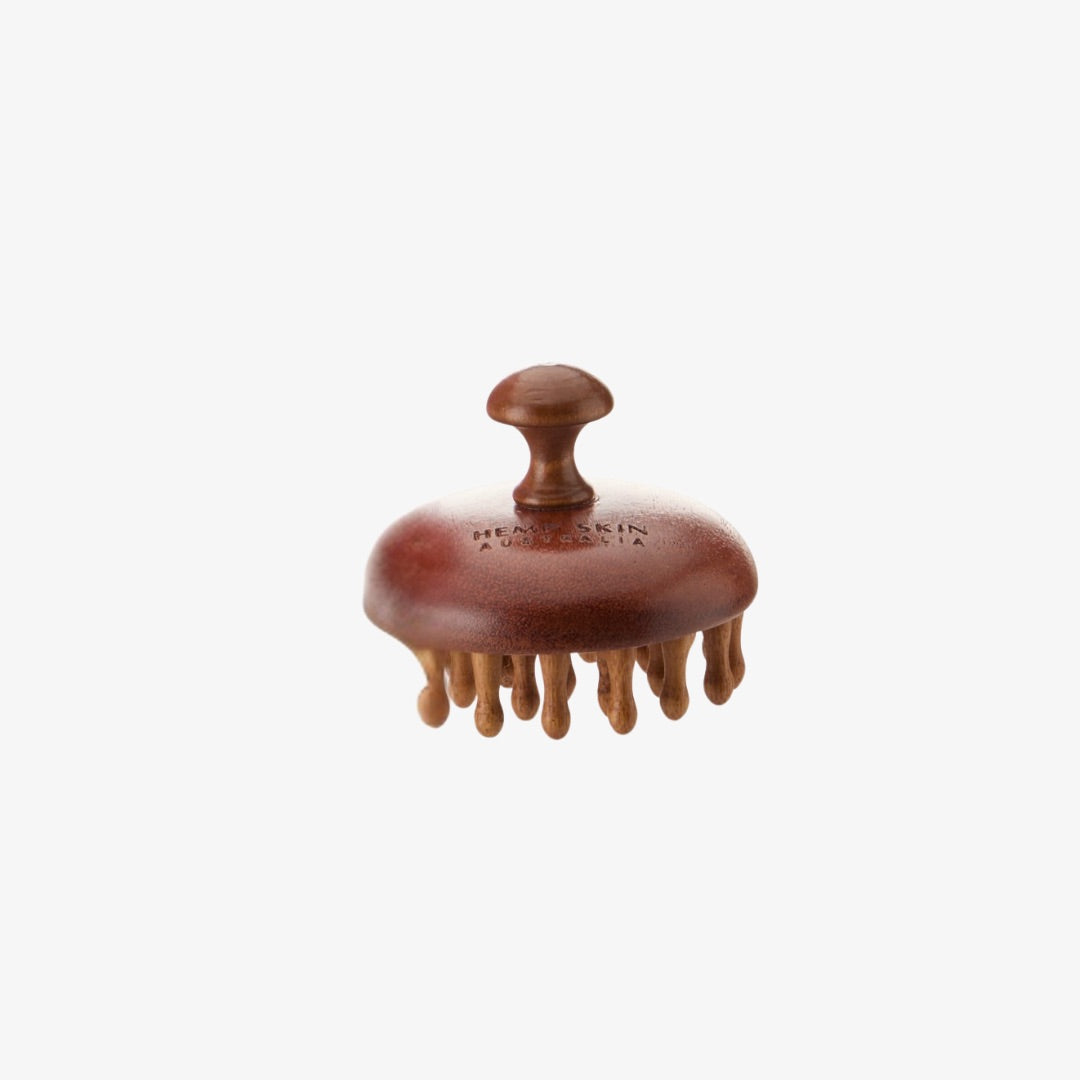
Add the Sandalwood Scalp Massager on dry days for circulation and calm. Used for three to five minutes, it can turn your oiling into a slower, more mindful moment. If you want a complete routine in one go, the Sustainable Shampoo and Conditioner Bundle keeps everything plastic-free. You can also browse the full Natural Hair Love range to build the rest of your hair ritual.
Your scalp and your hair need different things, and giving each its own care is the quickest route to healthier roots and softer lengths. Start small, pay attention to how your hair responds, and let the ritual be part of the reward. Explore the Sacred Scalp Elixir and the rest of the Hemp Skin range when you are ready to begin.
Scalp oil is applied to the roots and skin of the head, where it is massaged in to nourish and soothe the scalp. Hair oil is worked through the lengths and ends to soften, smooth and protect the strands. Many people use both, applying scalp oil first and hair oil to the mid-lengths and ends. Hemp Skin's Sacred Scalp Elixir is designed for the scalp, with a few drops massaged directly onto the roots before washing.
Scalp oil is usually applied to dry hair so it reaches the skin without being diluted by water. Hair oil for the lengths can go on dry or slightly damp hair, depending on how much conditioning you want. Applying oil before washing gives it time to work, while a small amount on damp ends can help with frizz and manageability. Start with less than you think you need, as it is easy to add more.
Many people find once or twice a week a comfortable rhythm. The Sacred Scalp Elixir is recommended once or twice a week before washing, with a few drops massaged directly into the scalp and left on for at least 30 minutes or overnight. Pair it with the Sandalwood Scalp Massager for a few minutes of circular massage. Listen to your scalp and adjust if it feels heavy or itchy.
You can, but the two areas often suit different textures. A lighter oil spread through the lengths keeps ends soft without weighing down fine hair, while a richer blend suits the scalp when it feels dry. Hemp seed oil is the base of Hemp Skin's face and body oils. Patch test new products, especially those with essential oils, before full use.
