


Buy your weekday smoothies and get your weekend ones for free. (7 for the price of 5!)
WELLNESSWEEK

Last Updated: November 15, 2026
Quick Summary
To identify facial eczema triggers, keep a daily skin diary recording products, weather, stress and food, then test one suspect at a time by removing it completely for 10 to 14 days and reintroducing it once to watch for 48 hours. Look for flares appearing 24 to 48 hours after an exposure, as that delay is the tell for contact allergy.
Learning how to identify facial eczema triggers is the difference between guessing and knowing.
The answer is simpler than most guides admit. You don't need a perfect memory or an expensive test.
Below, we'll show you exactly how to find your own patterns. But first, here's what most guides get wrong: they list every possible trigger at once, then leave you overwhelmed.
Facial eczema shows up as dry, itchy, inflamed skin on the cheeks, eyelids, forehead or around the mouth.
Some people get crusting or small blisters. Others notice swelling around the eyes. The urge to scratch can be intense, especially at night.
The skin barrier is the key here. When it weakens, moisture escapes and irritants slip in more easily. That's why the same product can feel fine in summer and sting in winter.
A trigger diary turns vague suspicion into evidence. Without one, you're relying on memory, and memory is a poor witness.
With two weeks of notes, patterns start to surface. You may spot that flares follow your gym sessions, or that a new moisturiser lined up with a rough patch.
What most guides miss is this: you are not looking for one dramatic cause. You are looking for a cluster of small exposures that stack up.
Environmental eczema triggers reach your face through air, touch and water. They are the everyday exposures you barely notice until you start writing them down.
Here are the most common ones we see:
An irritant damages the skin barrier directly. It stings or dries on first contact, and anyone can react to it.
An allergen works differently. It trains your immune system over time, so a product you've used for months can suddenly cause contact allergy.
This distinction matters. Irritants usually cause a reaction straight away.
ASCIA's guide to eczema and sensitive skin explains how contact allergy develops and why patch testing is used to confirm it.
An eczema skin diary template is a simple daily record of what your skin did and what it met that day. Two minutes of writing is enough. The goal is pattern spotting, not perfect record-keeping.

Keep it short. A few words per line works better than long paragraphs. Copy this into a notebook or the notes app on your phone and use the same layout every day so the patterns are easy to compare.
Say your diary shows a flare on a Thursday. You look back 24 to 48 hours and see that on Tuesday you switched to a new foaming cleanser and also had a stressful deadline. Two changes at once, that is the trap.
Now imagine the same cleanser appears before three separate flares across a month, while the stressful weeks do not line up. That repetition is the signal. One rough patch proves nothing. A repeated pattern across two or three flares is worth acting on.
Look for flares that appear 24 to 48 hours after an exposure. That delay is the tell for contact allergy, which trains the immune system over time rather than reacting on first contact.
Next, check what changed in the three days before each flare. If the same item keeps showing up, you have your first suspect. Note the trend rather than single days, improvement often builds slowly, and a good week in the middle of a bad month can mislead you.
Watch out: if you change several products in the same week, the diary loses its power to isolate anything, and you will be back to guessing.
A filled-in diary is genuinely useful in a clinical appointment. It gives a dermatologist or GP a timeline of exposures and reactions that memory cannot reconstruct, and it can shorten the path to patch testing. Take the last four to six weeks with you, and note any products you have already stopped using, those are often the most informative entries of all.
Testing one trigger at a time is the only way to get a clear answer. Change two things at once and you'll never know which one mattered. This is the structured process most guides skip, they list triggers, then leave you to work out the order yourself.
Here's the protocol we'd use:
Ten to 14 days is long enough for a damaged barrier to begin recovering and for a contact allergy reaction to settle. The 48-hour watch after reintroduction reflects the delayed nature of allergic contact dermatitis, which often takes a day or two to appear rather than stinging on first contact. An irritant, by contrast, usually reacts straight away, so the timing of the reaction itself is a clue to which kind of trigger you are dealing with.
Facial skin is thin and visible, so a full-face trial is a poor first move. A safer sequence is to patch test on the inner forearm first, then behind the ear or along the jawline, before going anywhere near the cheeks or eyelids.
Watch out: never deliberately provoke a significant flare to "prove" a trigger, especially near the eyes, if a product has clearly caused swelling, blistering or weeping, stop using it and seek advice rather than testing it again.
Reintroducing several products in the same week will undo your work. Patience is the whole method. If a test is inconclusive, it usually means more than one variable moved, go back to the diary and start the next test with a cleaner baseline.
If you're testing a skincare product, our guide on whether hemp oil can cause skin irritation walks you through a safe patch test.
Here is the one-at-a-time testing protocol at a glance, so you can follow it without losing your place.
| Step | What to do | Timing |
|---|---|---|
| 1 | Pick one suspect from your diary | Most frequent before flares |
| 2 | Remove it completely, including hair and bedding | 10 to 14 days |
| 3 | Keep everything else the same | Throughout the test |
| 4 | Rate your skin daily on the 1 to 5 scale | Every day |
| 5 | Note the trend, not single days | Across the second week |
| 6 | Reintroduce it once and watch | 48 hours |
| 7 | Record what happens, then test the next suspect | Only after the current test |
Supporting the skin barrier is the most reliable natural approach. A calm, hydrated barrier tolerates far more than a stripped one.
Start with these habits:
Our Daily Face Oil is built for exactly this job. You can see the Daily Face Oil here, and if you're new to oils, our guide to using the Daily Face Oil covers the ritual step by step.
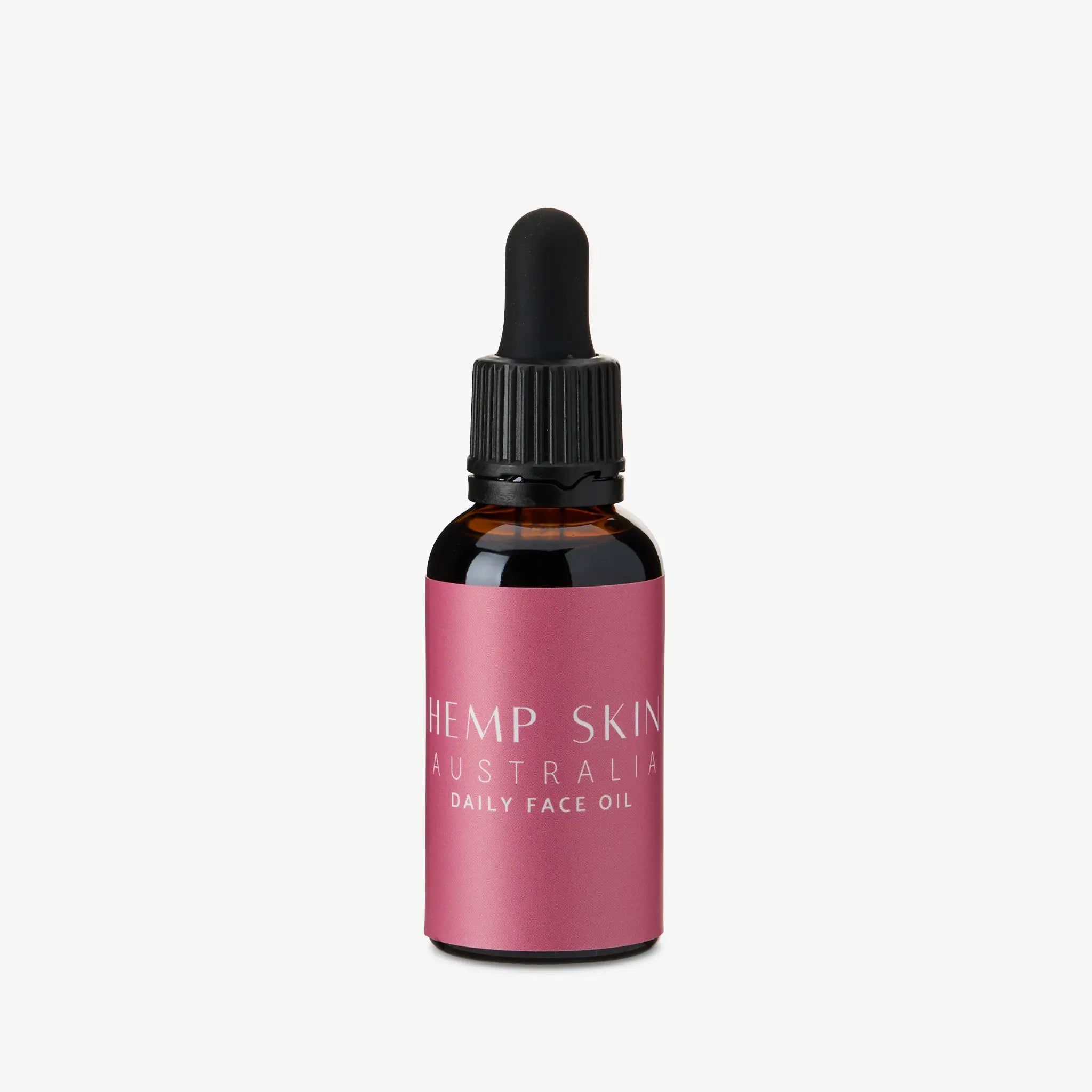
For reactive skin that needs extra care, our article on the best oils for rosacea and sensitive skin goes deeper into which botanicals suit easily upset faces.
See a healthcare professional if symptoms are severe, spreading, or not improving after a few weeks of careful trigger work.
Patch testing is a common tool for confirming contact allergy. A dermatologist applies small amounts of allergens to your back and checks the skin over several days (Contact dermatitis - treatments, symptoms and prevention).
Blood and skin prick tests are used for food and airborne allergies. These have real limits, and results need careful interpretation.
If you're unsure whether your skin needs professional assessment, you can contact us and we'll point you in the right direction.
A gentle routine is the foundation everything else rests on.
We'd start with the Two Step Cleanse Kit, which pairs our Oil Cleanser with the Rose Floral Water Toner to cleanse and refresh.
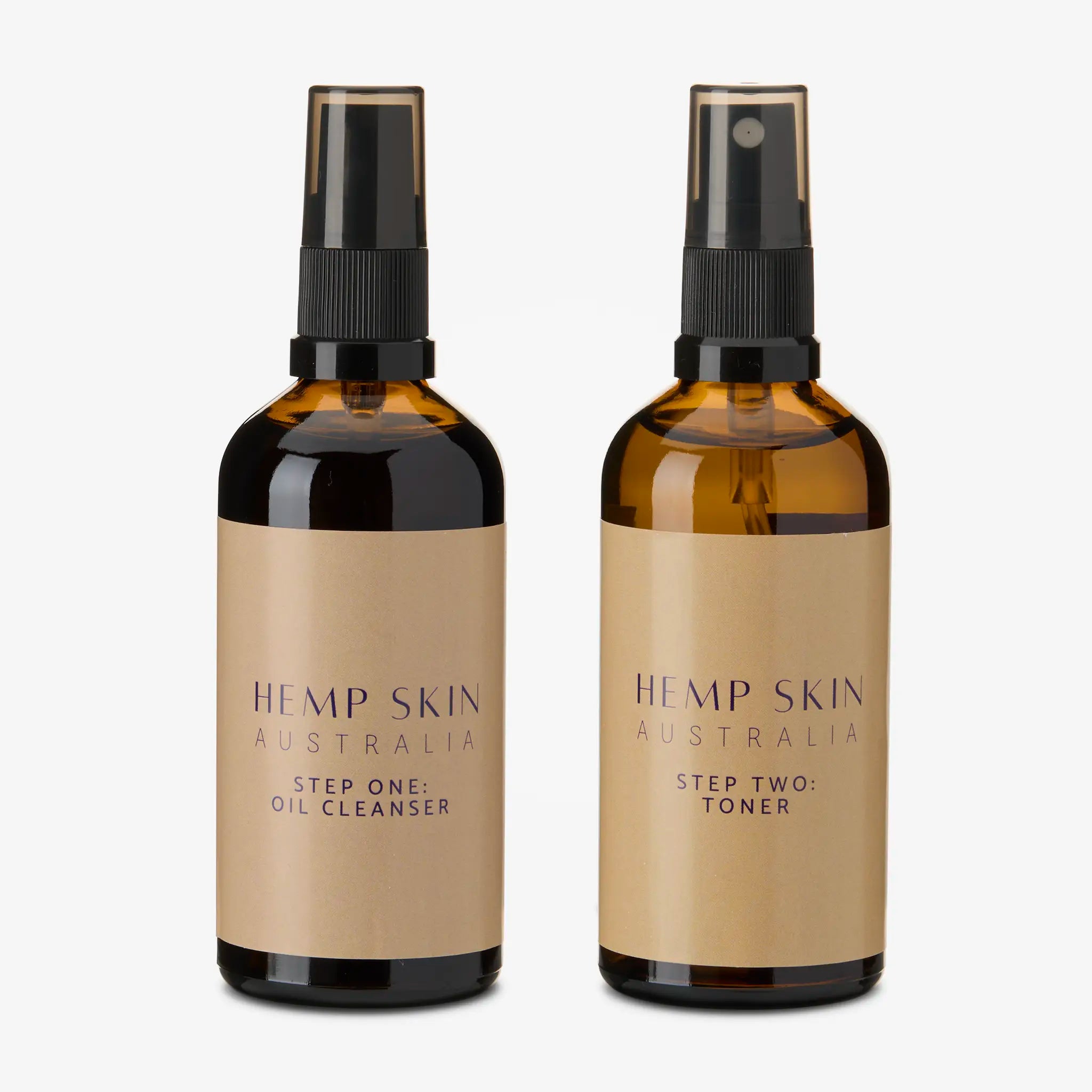
That's three steps. Nothing complicated, nothing fragranced to excess, nothing that asks your skin to do more than it needs to.
Your skin has been trying to tell you something all along.
At Hemp Skin, our hemp-based formulas are made for sensitive skin.
The usual suspects include soaps, detergents, fragrances and cosmetics, plus airborne allergens such as pollen, grasses, dust mites and pet dander. Weather shifts, low humidity, overheating and sweating also play a part, as can air pollution. Because several can affect your face at once, a symptom diary helps you see which ones line up with your flares. Track exposure daily and look for patterns over two to four weeks before changing your routine.
Use a simple format you will actually keep: date, flare severity, foods eaten, products applied, weather, stress and sleep. Note timing, not just the fact. A reaction within hours points more towards contact irritants or allergens, while a delayed response over a day or two can suggest food or cumulative exposure. Keep it beside your skincare so it becomes part of your evening ritual, and review it weekly rather than obsessing daily.
For some people, yes. Food allergy is more common in children with eczema, and true food triggers are less frequent in adults. If you suspect a food link, note what you eat alongside your symptoms for a few weeks. Do not remove whole food groups on a hunch, especially if you are breastfeeding or managing other conditions. A dietitian or GP can guide a safe elimination trial so you get clear answers without compromising nutrition.
Atopic eczema tends to be chronic, itchy and linked to a personal or family history of asthma, hay fever or eczema, often affecting the cheeks, eyelids and around the mouth. Allergic contact dermatitis usually appears where a product touched your skin, sometimes with sharp borders, crusting or blistering, and settles when you stop using the culprit. Patch testing by a dermatologist can confirm a contact allergy, while atopic eczema is diagnosed from your history and examination.
